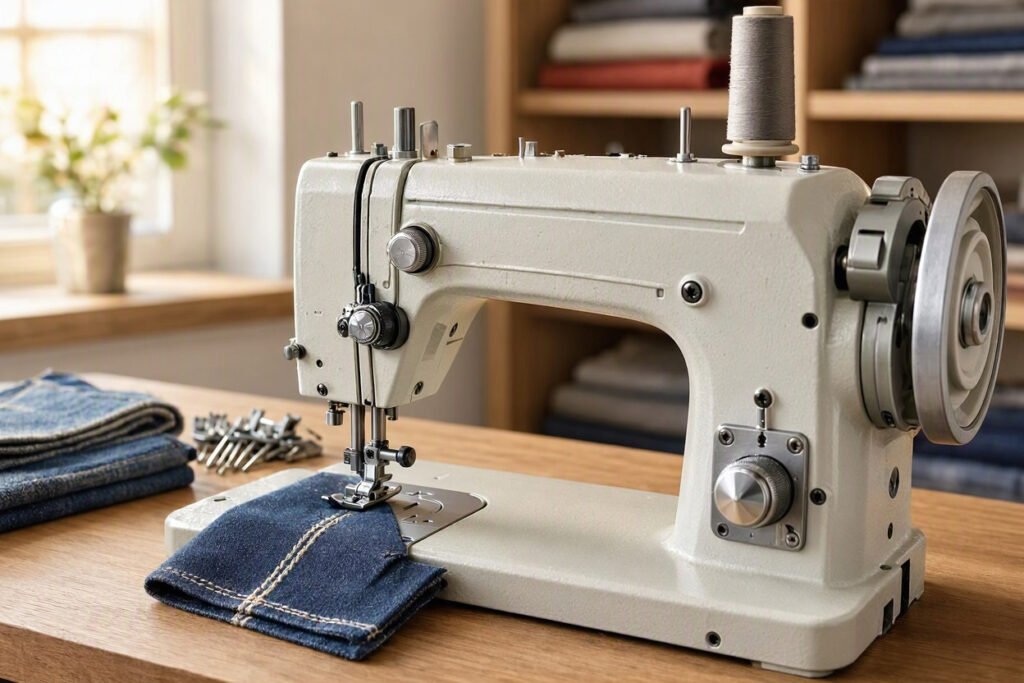
A sewing machine can produce beautiful stitches on ordinary cotton and still struggle the moment a thick denim hem or folded canvas strap passes beneath its presser foot. That is where choosing the best heavy duty sewing machine becomes important. The right machine should handle demanding materials with consistent stitches, manageable noise, reliable feeding, and enough control to work through bulky seams without unnecessary frustration.
However, not every machine labelled heavy duty is suitable for every job. Some models are designed for home sewing and clothing alterations, while others are intended for upholstery, leatherwork, or continuous commercial production. Understanding this difference before spending money can save both time and disappointment.
What Makes a Heavy Duty Sewing Machine Worth Buying?
The first thing to examine is the machine’s ability to maintain stitch quality under pressure. A powerful motor is useful, but it cannot compensate for poor fabric feeding, an unsuitable needle, or an incorrectly adjusted thread tension.
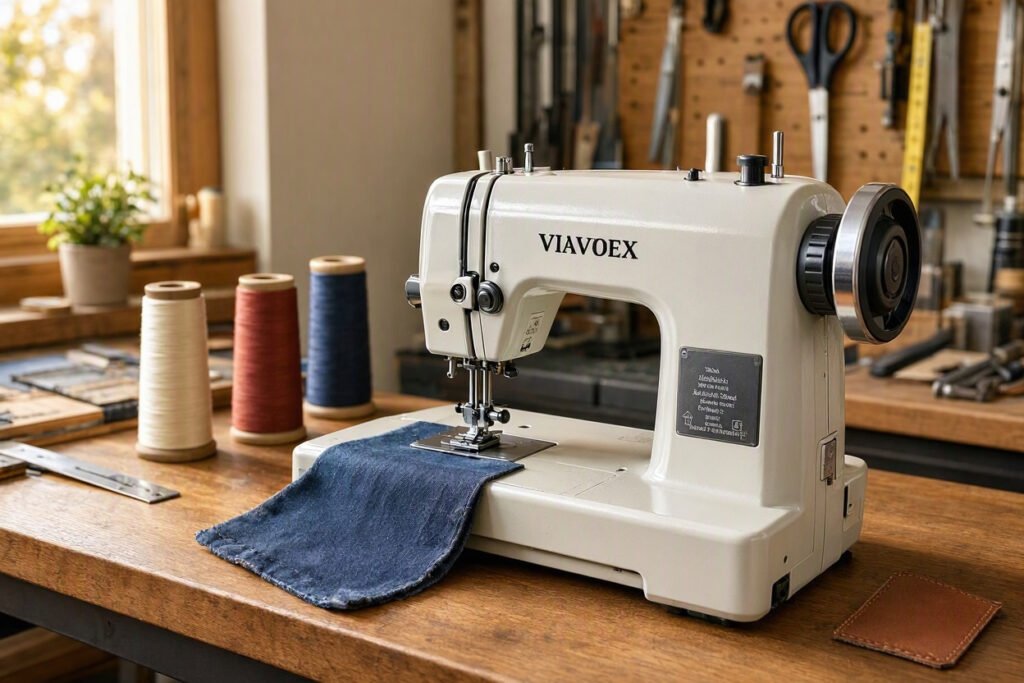
A dependable heavy duty sewing machine should offer a stable internal frame, consistent needle penetration, a reliable feed mechanism, adjustable stitch settings, and a presser foot that accommodates the thickness of the intended material.
Maximum sewing speed deserves attention, too. A machine rated at 1,100 stitches per minute can finish long seams quickly, but speed alone does not guarantee better results. When stitching around corners, joining thick seams, or positioning a zipper, controlled movement is often more valuable than raw speed.
Before choosing a model, consider what you will actually sew. Denim alterations, canvas bags, curtains, cushion covers, and light upholstery have different requirements. Buying a machine for occasional jeans repairs is not the same as equipping a workshop that produces heavy bags every day.
Best Heavy Duty Sewing Machine Models to Consider
Several established models deserve consideration when comparing heavy duty sewing machines for home and small-business use. The best choice depends on fabric weight, available accessories, ease of operation, and budget.
1. SINGER Heavy Duty 4423 — Best for Speed and Everyday Heavy Fabrics
The SINGER Heavy Duty 4423 is a practical option for people who frequently work with denim, canvas, layered cotton, and household sewing projects. Its advertised maximum speed of up to 1,100 stitches per minute and 23 built-in stitches make it attractive to users who want straightforward operation without an elaborate computerized interface.
Its metal internal frame helps provide stability, while the top-loading bobbin makes routine threading and bobbin replacement relatively convenient. The machine is particularly appealing to home sewists who want to complete repairs, construct bags, shorten jeans, or make durable household items.
Its limitations matter just as much. Thick intersections can still challenge the needle, and beginners may need to adjust thread tension or change needle sizes when moving between different materials. It should not be mistaken for an industrial machine designed for continuous heavy production.
Best for: Denim, canvas, alterations, home décor, and regular household sewing.
2. Brother ST371HD — Best for Versatility and Beginners
The Brother ST371HD is worth considering when heavy fabrics are only part of a broader sewing routine. It offers 37 built-in stitches, giving users additional options for decorative sewing, stretch fabrics, and everyday clothing projects.
Its user-friendly layout and useful accessory selection can make it an appealing choice for beginners who want a machine that does more than straightforward straight stitching. A non-stick presser foot, where included in the package, can also help when working with certain coated materials that tend to drag beneath a conventional foot.
The trade-off is that a higher stitch count does not automatically translate into greater piercing power. For repeated work involving very bulky seams, thick webbing, or demanding upholstery materials, check the machine’s stated capabilities carefully before purchasing.
Best for: Beginners, mixed-fabric projects, clothing repairs, light canvas work, and general home sewing.
3. Janome HD3000 — Best for Buyers Who Value Mechanical Construction
The Janome HD3000 is a strong alternative for sewists who prefer a sturdy mechanical machine and a more focused selection of useful stitches. It is worth comparing against less expensive models when long-term usability, fabric control, and construction quality are important purchasing considerations.
Its feature set is geared towards practical sewing rather than offering an extensive collection of decorative patterns. That can be an advantage for people who spend more time constructing garments, repairing household textiles, or working on substantial fabric projects than experimenting with ornamental stitches.
The higher purchase cost may not be justified for someone who only hems trousers occasionally. Buyers should also compare the supplied accessories, warranty conditions, and availability of replacement parts in their region.
Best for: Regular home sewing, denim projects, household textiles, and buyers seeking a more substantial mechanical alternative.
How to Choose the Right Machine for Thick Fabric
The most common buying mistake is selecting a machine based on its advertised power or speed without considering the entire sewing system.
Match the Needle to the Material
Needle selection has a direct effect on stitch quality. A universal needle may work well on ordinary woven fabric, but heavy denim and canvas often benefit from a suitable jeans or heavy-fabric needle. Depending on the material and thickness, sizes such as 90/14 or 100/16 may be appropriate.
For leather and synthetic leather, a compatible leather needle may be required. Remember that leather needles can leave permanent holes, so testing on scraps is essential.
Check Presser Foot Clearance and Fabric Feeding
A thick project must fit beneath the raised presser foot without forcing the fabric into place. Extra clearance is useful for bulky seams, but clearance alone does not mean a machine can stitch through every layer.
The feed dogs must move the material evenly. If the fabric stalls at a seam intersection, stop rather than forcing it forward with the motor. A suitable seam-leveling tool or careful use of the handwheel may help, provided the material remains within the machine’s limits.
Understand Stitch Quality and Thread Tension
Loose loops beneath the fabric, puckering, skipped stitches, and thread breakage are common reasons for disappointing results. These problems do not always indicate a weak motor.
Rethread the machine with the presser foot raised when the design requires it, insert the bobbin according to the manual, and test the tension on a scrap of the same material. Use thread compatible with the needle and machine. Very thick upholstery thread may require a different needle and a machine specifically designed to accommodate it.
Can a Home Heavy Duty Sewing Machine Sew Leather and Upholstery?
The honest answer is that it depends on the material and the project.
A domestic heavy duty machine may handle thin leather, vinyl, upholstery fabric, or a few layers of suitable material when the manufacturer permits it. Thick leather, dense webbing, repeated bulky intersections, and heavy upholstery assemblies demand considerably more from the machine.
For these jobs, a walking-foot mechanism can be valuable because it helps feed multiple layers more evenly. A dedicated industrial upholstery or leather sewing machine may be the better investment for frequent commercial work.
Do not assume that adding a stronger needle or thicker thread will turn a domestic model into an industrial machine. Excessive resistance can damage needles, affect timing, or strain the machine.
Maintenance Tips That Help a Sewing Machine Last Longer
Even a well-built machine needs proper care. Remove lint from the bobbin area as instructed in the manual, replace damaged or blunt needles, and use only the lubrication recommended by the manufacturer. Some machines require specific maintenance procedures, while others should not be oiled by the user.
Keep thread away from moving parts, avoid sewing over pins, and do not pull the fabric aggressively from behind the presser foot. These habits help reduce skipped stitches, needle damage, and unnecessary mechanical wear.
If the machine repeatedly jams, makes unusual noises, or produces inconsistent stitches despite correct threading, stop sewing and investigate the cause before continuing.
What to Check Before Buying Through Amazon
When comparing heavy duty sewing machines on Amazon, read beyond the headline rating. Examine recent customer feedback for recurring complaints about thread tension, needle breakage, noisy operation, fabric feeding, and missing accessories.
Confirm the exact model number and package contents. Similar-looking machines may include different presser feet, needles, extension tables, or other accessories. Also check the seller, return policy, warranty eligibility, and availability of compatible replacement parts.
Prices and stock can change, so compare the current listing rather than relying on an old review’s quoted price. If possible, consult the manufacturer’s specifications alongside customer experiences. Neither a high review score nor a long list of features guarantees that a machine will suit your particular workload.
For an Amazon affiliate website, recommendations should explain both the advantages and the limitations of each product. Clearly disclose affiliate relationships near your recommendations and links, and avoid claiming that a machine has been personally tested unless that is genuinely the case.
Which Is the Best Heavy Duty Sewing Machine?
For many home sewists, the SINGER Heavy Duty 4423 is a sensible starting point because it combines useful everyday functions with a high advertised sewing speed. The Brother ST371HD is worth considering for users who want greater stitch variety and a beginner-friendly machine, while the Janome HD3000 deserves attention from buyers who prioritize mechanical construction and practical sewing features.
There is no single best heavy duty sewing machine for every person. The right purchase depends on the materials you sew, how frequently you work, the thickness of your projects, and the level of control you need.
Choose according to your actual workload rather than the strongest marketing claim. A machine that handles your regular projects reliably, accepts appropriate needles and accessories, and can be maintained properly will usually prove more valuable than one with impressive specifications that do not match your needs.